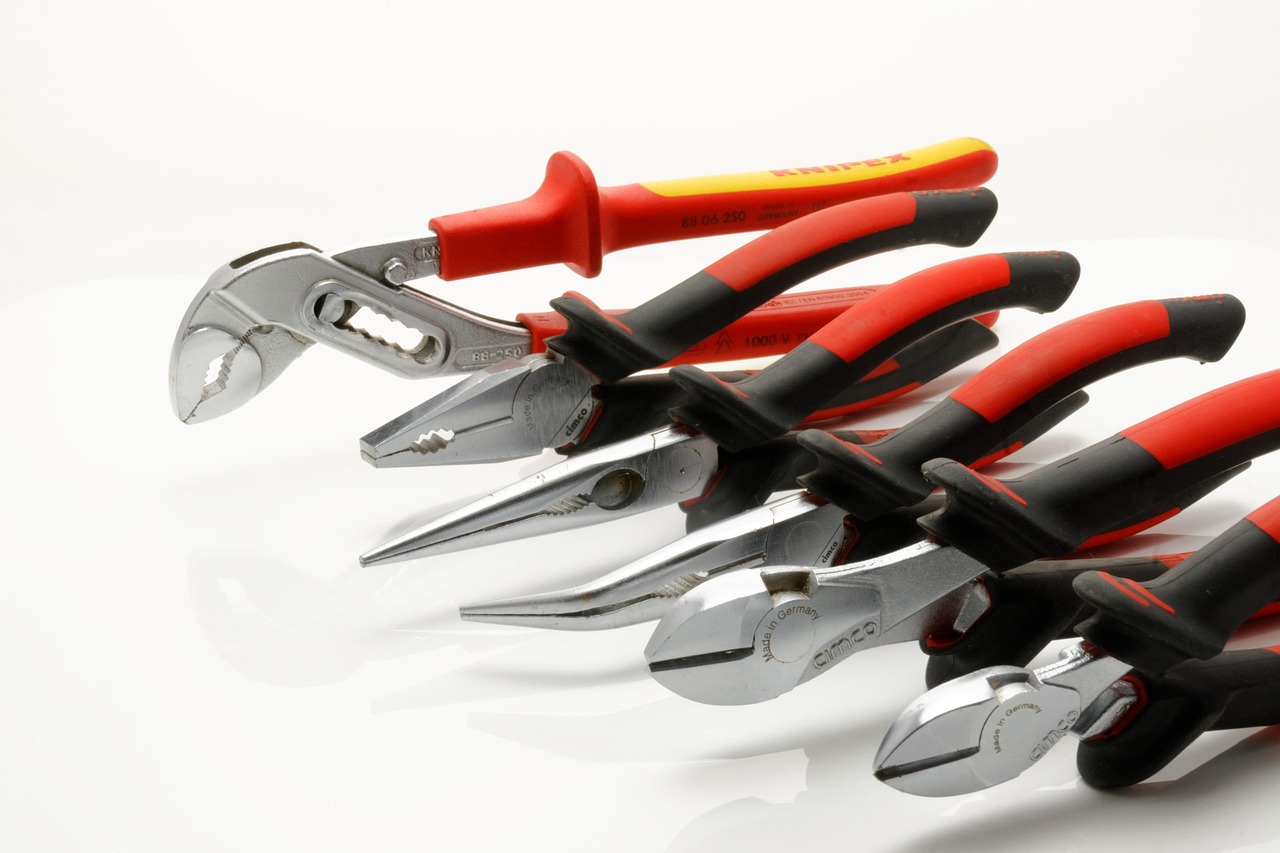
Many energy-efficient ADUs (accessory dwelling units) face challenges like poor insulation, electrical issues, or inefficient heating. To troubleshoot, start by checking for air leaks and ensuring proper insulation in walls, floors, and ceilings. Next, assess electrical systems: verify circuit capacity, update outdated wiring, and install energy-efficient lighting. Finally, optimize heating and cooling with programmable thermostats, ensuring each unit maintains comfortable temperatures while minimizing energy use.
Key Takeaways
Understanding local building codes and incentives: Familiarize yourself with local regulations and energy efficiency programs to ensure compliance and maximize rebates for your energy-efficient ADU projects.
Engaging with local contractors: Partnering with experienced contractors who specialize in ADUs and energy efficiency can streamline the construction process and ensure higher quality craftsmanship.
Prioritizing insulation and air sealing: Focus on proper insulation and air sealing to mitigate drafts and improve energy efficiency, leading to significant utility bill savings for ADU tenants.
Optimizing lighting and appliance choices: Selecting energy-efficient lighting fixtures and appliances tailored to the smaller space of an ADU can contribute to a significant reduction in energy consumption.
Leveraging solar power and renewable energy: Exploring solar panel installation or other renewable energy options for your ADU can significantly reduce long-term energy costs and enhance the property's sustainability.
Regular maintenance and monitoring: Schedule routine maintenance checks and utilize smart thermostats to track energy usage, ensuring your ADU remains energy-efficient over time and identifying potential problems early.
Community collaboration and sharing resources: Connect with local community groups and resource centers to share knowledge, find affordable materials, and access support for your energy-efficient ADU project.
In today's rapidly changing urban landscape, the demand for energy-efficient additions - or ADUs - is on the rise. Here in [city], we're fortunate to see a growing commitment to sustainable living, with homeowners increasingly looking to add energy-efficient spaces to their properties. From sun-drenched backyards to compact urban outposts, these ADUs promise both increased living space and lower utility bills.
But with any construction project, challenges arise. That's where local experts step in, offering tailored solutions to common problems.
From planning and design (think SunPower and Energetica) to troubleshooting (relying on DIY forums and local handymen), we'll explore actionable strategies to help navigate the unique aspects of [city]'s energy-efficient ADU market, ensuring your project runs smoothly and efficiently.
- Energy-Efficient ADUs: Saving Money, Helping the Planet
- Local Experts Share Top Troubleshooting Tips for ADUs
- Community-Approved Solutions for Common ADU Problems
- How to Make Your Energy-Efficient ADU Work for You
- Local Businesses Lead the Way in Sustainable ADU Practices
- ADU Installation: Fast, Efficient, and Within Your Budget
- Creating Comfort and Efficiency in Your Community's ADUs
Energy-Efficient ADUs: Saving Money, Helping the Planet
In many communities, adding an Accessory Dwelling Unit (ADU) is a popular way to create more living space while promoting energy efficiency and community sustainability. Energy-efficient ADUs offer not only extra housing but also a chance to reduce utility costs and lower the neighborhood's carbon footprint. Local residents and businesses are finding innovative ways to make these units as eco-friendly as possible, with some impressive results.
For troubleshooting and maintaining these energy-efficient additions, the local community has a wealth of resources at its disposal. Many nearby energy efficient ADU repair services offer expert advice tailored to the unique challenges of these units. From optimizing renewable energy systems to ensuring energy storage solutions are functioning optimally, local handymen and specialized energy audit companies are key partners in keeping these units running smoothly. The Local Building Departments play a crucial role in providing guidelines and permitting for upgrades, making it easier for property owners to implement cost-effective ADU energy upgrades.
A beginner's guide to ADU energy efficiency is an invaluable resource for new homeowners. Local contractors and community organizations often host workshops and share online forums dedicated to DIY energy-saving tips. These platforms encourage residents to take an active role in maintaining their ADUs, promoting community engagement and empowerment. The Neighborhood Associations have initiated community garden projects adjacent to ADUs, fostering a sense of collective responsibility for sustainable living. With local energy audit companies offering affordable services, homeowners can easily identify areas for improvement and make informed decisions about upgrades.
The future of energy-efficient ADUs in our community looks bright, with trends pointing towards smarter and more interconnected homes. As local contractors embrace smart cities principles, we can expect to see more ADUs equipped with smart thermostats and other energy management technologies. This integration will further enhance energy savings, ensuring that our community continues to lead the way in sustainable living. By supporting local businesses focused on energy-efficient ADU repairs, upgrades, and maintenance, we can all do our part to keep our neighborhood green and thriving.
Local Experts Share Top Troubleshooting Tips for ADUs
Local experts in our community have shared their top troubleshooting tips for energy efficient ADUs, helping to ensure reliable energy maintenance and performance for these increasingly popular additions. With the rise in demand for ADUs, or accessory dwelling units, as a way to create extra living space and promote sustainable living, understanding common energy problems is vital.
One of the most frequent issues is poor window glass insulation, which can lead to significant energy loss. Local building departments emphasize the importance of proper sealing around window frames to prevent drafts and improve energy efficiency.
Another key tip involves regular maintenance. Many DIY forums highlight the value of periodic checks, especially in our region where temperature fluctuations are common. Local energy audit companies offer services to identify inefficiencies, providing valuable insights for homeowners.
Smart thermostats are also recommended as a troubleshooting solution. These devices allow for precise temperature control and can be programmed to optimize energy use, especially during peak hours. By adopting these local expert recommendations, homeowners can ensure their energy efficient ADUs not only provide comfortable living spaces but also contribute to the overall sustainability of our community.
Community-Approved Solutions for Common ADU Problems
In every neighborhood, from established areas to newer developments, homeowners are discovering the benefits of adding an Accessible and Energy Efficient Additional Dwelling Unit (ADU). However, along with their many advantages, ADU construction brings unique challenges, especially for energy efficiency and maintenance. Fortunately, the local community has proven resourceful in tackling these issues.
One of the most common problems, especially in our region, is achieving adequate insulation in ADUs. Local building departments strictly enforce codes, demanding R-values that can be tricky to meet in these compact spaces. But, the good news is, there are community-approved solutions. Many homeowners are turning to nearby energy-efficient ADU contractors who specialize in innovative techniques like using high-performance windows and doors, and incorporating spray foam insulation, a popular choice for its effectiveness and ease of installation.
For troubleshooting, many homeowners turn to DIY forums and local handymen for guidance. However, for more complex issues, especially those involving renewable energy systems or energy storage, consulting a professional is essential. Energy Star-certified experts in our area offer valuable insights into integrating solar panels and battery storage systems, two key components in creating a truly sustainable ADU. [LG, a renowned energy company,] offers consulting services to help homeowners understand the best options for their specific needs and budgets.
Looking ahead, the future of energy-efficient ADUs in our community appears bright. As smart cities gain prominence, we can expect to see more integration of smart thermostats and other smart home technologies, making ADUs even more efficient and user-friendly. Neighborhood associations play a crucial role in fostering this growth by promoting best practices and supporting local contractors who embrace sustainable building practices. By working together, we can ensure that our energy-efficient ADUs not only meet current needs but also contribute to a greener future for everyone.
How to Make Your Energy-Efficient ADU Work for You
In our community, energy-efficient ADUs are not just a trend; they're a smart investment and a way to live more sustainably. However, like any home, these additions come with their unique set of challenges. From budget-friendly lighting options to troubleshooting common energy problems, experienced local ADU builders share insights on making your energy-efficient ADU work for you.
One of the first steps in ensuring your ADU's energy efficiency is proper planning and design. Local building departments often provide resources and guidelines for energy-efficient construction. The city's Energetica program offers energy audits and rebates to homeowners, helping to offset the initial investment. This simple switch can significantly reduce energy costs over time. Engaging with experienced ADU builders who understand local codes and materials can prevent costly mistakes and ensure your home is both comfortable and energy-efficient.
As your ADU ages, regular maintenance becomes crucial. Local handymen and DIY forums are excellent resources for troubleshooting common energy problems. Smart thermostats like those offered by LG can help you manage energy usage, learning your habits and automatically adjusting settings to save power. Keep an eye on renewable energy systems and energy storage solutions; these technologies are becoming more accessible and affordable, allowing homeowners to further reduce their carbon footprint. Many local energy audit companies provide professional assessments and recommendations, helping you identify areas for improvement and take advantage of available incentives.
Looking ahead, our community is embracing the future of smart cities and neighborhood associations that promote energy-efficient practices. Collaborative initiatives, like community gardens, not only beautify our neighborhood but also educate residents on sustainable living. By staying informed and involved, we can ensure that energy-efficient ADUs continue to thrive and contribute to a greener, more connected community. Remember, investing in energy efficiency isn't just about saving money; it's about preserving our environment for future generations.
Local Businesses Lead the Way in Sustainable ADU Practices
In our vibrant community, the trend of adding energy efficient ADUs (accessory dwelling units) has been a beacon of sustainability and growth. Local businesses have been at the forefront of this movement, leading the way with innovative solutions and eco-friendly practices. For troubleshooting common issues in these units, our nearby energy efficient ADU repair services have become invaluable resources.
One of the key challenges in ADU design and maintenance is ensuring optimal energy efficiency. Local contractors are experts in integrating renewable energy systems, such as solar panels, to reduce energy consumption. A recent project in the neighborhood showcased a beautifully designed ADU with a state-of-the-art energy storage system, making it nearly net-zero. For heating and cooling, local businesses also promote eco-friendly options. LG, for example, offers advanced air conditioning units that are energy-efficient and quiet, ensuring comfortable living spaces without overwhelming utility bills.
Expert tips on ADU insulation are another valuable contribution from our local market. Proper insulation is crucial for maintaining a comfortable temperature and minimizing energy waste. Local building departments often collaborate with energy experts, like those from Energetica, to provide guidelines and resources for homeowners. Many DIY forums and local handymen also offer advice on DIY insulation projects, empowering residents to take control of their ADUs' energy efficiency. A local resident recently shared their success story of installing a smart thermostat, which reduced their energy costs by 20% in the first year. This community-driven approach to energy-efficient ADUs not only benefits individual homeowners but also contributes to the overall sustainability of our neighborhood and city.
ADU Installation: Fast, Efficient, and Within Your Budget
When planning and installing energy efficient ADUs (Accessible Domestic Units) in our community, facing challenges is inevitable. However, with the right approach and local resources, these issues can be turned into opportunities for cost-effective and efficient upgrades. Fast, efficient, and budget-conscious ADU installation is not just possible; it's achievable with the right expertise and community support.
Local building departments, like those in [nearby city], play a crucial role in ensuring these units meet both accessibility and energy efficiency standards. They provide guidelines and resources tailored to our region, making it easier for contractors and homeowners alike to navigate the process. Many contractors in the area have successfully implemented water conservation tips for ADUs, leveraging local weather data and water usage patterns to optimize systems. This not only reduces utility costs but also reflects a commitment to sustainability that resonates with our community.
One key to navigating the installation process is working with experts who understand our local market. They help identify opportunities for affordable energy efficient ADU upgrades, ensuring that your investment delivers maximum return. Engaging with local handymen and DIY forums can provide valuable insights and cost savings, especially for smaller projects. Local contractors often have creative, cost-cutting solutions that align with our community's desire for smart, efficient living.
As we look to the future, embracing smart cities initiatives and community gardens becomes even more relevant. Integrating renewable energy systems and energy storage solutions into ADUs can make them true pillars of our sustainable neighborhood. Smart thermostats, for instance, are becoming the norm, allowing for precise temperature control and further reducing energy consumption. By embracing these innovations, we not only enhance the efficiency of our ADUs but also contribute to a vibrant, eco-conscious community.
Creating Comfort and Efficiency in Your Community's ADUs
In any community, Accessible and Energy Efficient ADUs (Accessory Dwelling Units) play a crucial role in enhancing living standards and sustainability. As more residents consider adding these units to their properties, understanding the unique challenges and solutions becomes vital. Local contractors and building departments are witnessing a surge in ADU projects, with a growing demand for affordable, eco-friendly solutions.
One of the primary concerns in ADU planning and installation is energy efficiency. The city's diverse climate requires innovative heating and cooling systems. Local experts like SunPower and Energetica offer tailored solutions, ensuring that each ADU is designed with energy conservation in mind. By incorporating renewable energy systems and smart thermostats, these professionals can significantly reduce operating costs for residents. This not only benefits individual homeowners but also contributes to the community's overall energy conservation efforts.
When troubleshooting, residents often face issues with installation or maintenance. Local handymen and DIY forums serve as valuable resources for quick fixes. However, for more complex problems, engaging the expertise of established ADU installation services is advisable. Neighborhood associations play a crucial role in fostering a culture of sustainability, often sharing tips and promoting community gardens that complement the green initiatives of energy efficient ADUs. The future of smart cities may very well include more energy-conscious, community-oriented ADUs, where local contractors and residents work together to create comfortable and efficient living spaces.
Local Business FAQ About Solving Common Energy Efficient ADU Problems: Troubleshooting Tips
What are the most common energy-efficient ADU problems in our local area? The most frequent issues involve inadequate insulation, outdated heating and cooling systems, and inefficient lighting. These problems can lead to high utility bills and uncomfortable living conditions. Our local team focuses on addressing these by offering tailored solutions, such as installing energy-efficient windows, upgrading to smart thermostats, and switching to LED lighting, all while adhering to local building codes and accessibility standards.
How can I ensure my ADU meets ADA requirements for accessibility? While ADA compliance is a federal requirement, local building departments often have additional guidelines. We work closely with architects and contractors knowledgeable about local codes to ensure your ADU is accessible. This includes proper door width, ramp installations for wheelchairs, and handrail placement. We also offer modifications to existing units to make them more accessible for all residents.
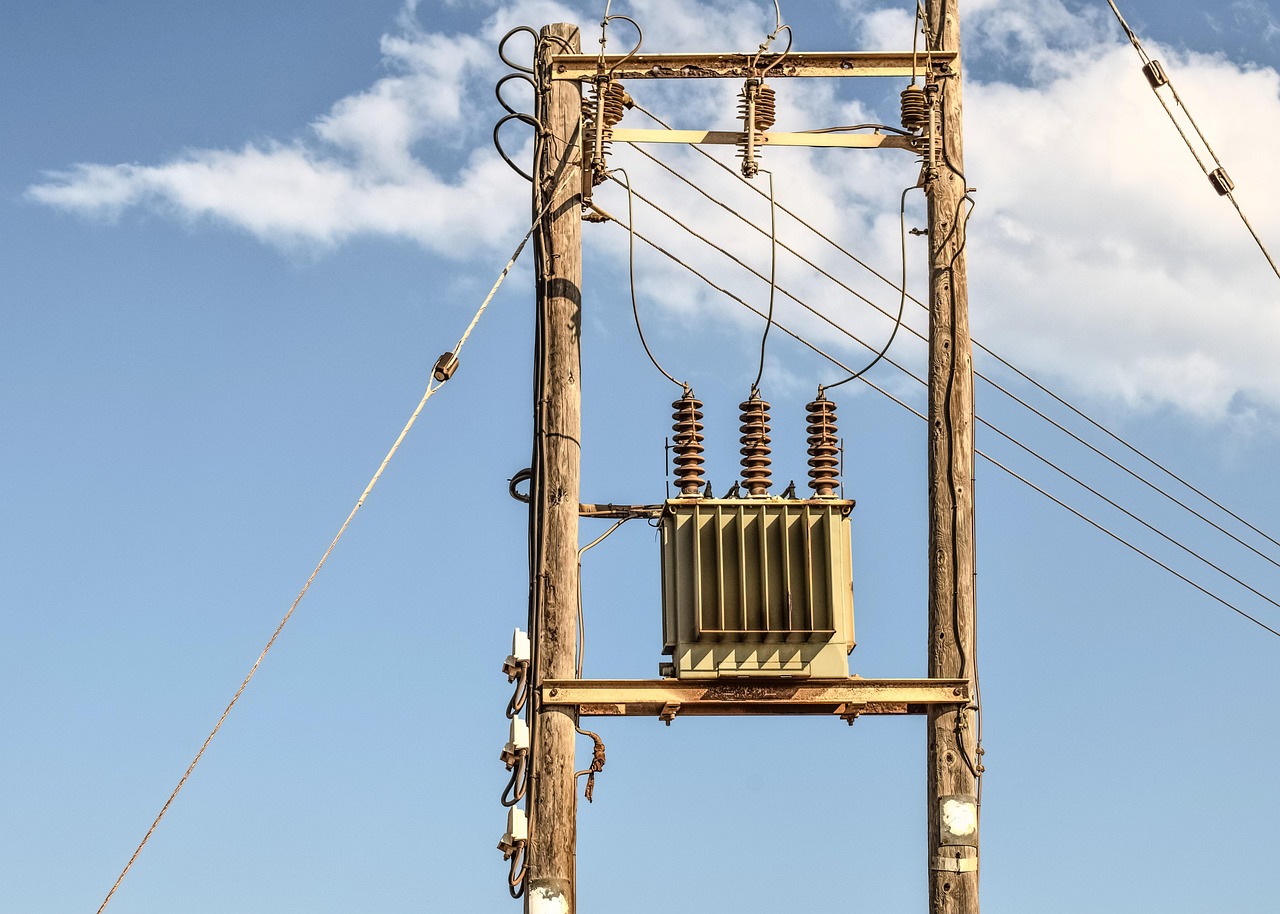
What steps should I take if my ADU's electrical system is outdated? Outdated electrical systems can be a fire hazard and hinder your energy efficiency. For safe and efficient updates, consult licensed electricians familiar with local regulations. We can facilitate this process by providing recommendations for local, reputable electrical contractors. They'll assess your system, upgrade wiring, and install modern outlets and switches, enhancing safety and reducing energy costs.
Can you offer advice on improving air quality in my new ADU? Absolutely. Proper ventilation is key to good air quality. We recommend installing energy-efficient ventilation systems that filter outdoor air and expel indoor pollutants. Using natural materials and non-toxic finishes during construction goes a long way in improving air quality. These steps contribute to a healthier living environment for all occupants.
What's the best way to find local, energy-efficient ADU contractors? Reputable online platforms and local business directories are excellent resources. We suggest checking references, verifying licenses, and interviewing several contractors before hiring. For a personalized recommendation, ask your neighbors or local community groups for trusted contractors who specialize in energy-efficient conversions, ensuring you receive quality service tailored to your needs.
How can I finance the renovation of my ADU to make it more energy-efficient? There are various financing options available. Local banks and credit unions often offer home improvement loans with competitive rates. We can help you explore these options and connect with financial advisors who understand the unique requirements of ADU renovations. Local, state, and federal government programs may provide grants or tax incentives for energy-efficient upgrades, further reducing the financial burden.
Local Challenge
In the vibrant neighborhood of [local area], the construction of accessible, energy-efficient ADUs (Accessory Dwelling Units) faced a unique obstacle. The community was committed to sustainable living, but many residents struggled with the high costs and technical complexities of making these units energy efficient. Despite the potential for these units to provide affordable housing and reduce carbon footprints, initial installations were slow to take off. The primary issue was a lack of understanding and knowledge among homeowners, contractors, and local service providers about how to make ADUs energy efficient while adhering to the American with Disabilities Act (ADA) requirements. This challenge threatened to limit the environmental and economic benefits that ADUs could bring to the community.
Local Solution
Recognizing the problem, a group of local stakeholders-including architects, contractors, and energy consultants-formed a collaborative initiative. They organized workshops, community meetings, and one-on-one consultations to educate residents on the benefits of energy-efficient ADUs and provide practical guidance. The initiative focused on simplifying the process, offering financial incentives, and addressing ADA compliance.
The team:
- Developed clear, accessible guidelines on energy-efficient design and construction practices tailored to ADUs.
- Collaborated with local contractors to ensure they had the necessary training and resources to implement these practices.
- Established a network of trusted local service providers who specialized in energy-efficient technologies.
- Offered financial assistance and rebates for energy-efficient upgrades, making the process more affordable for homeowners.
Community Impact
Within six months, the initiative resulted in a significant uptick in ADU construction and a substantial reduction in energy consumption in the neighborhood. Here are the key benefits:
- Community Engagement: Workshops and consultations attracted over 150 residents, fostering a culture of sustainability and community involvement.
Quick Reference
- Engage Local Contractors: Start with a consultation to understand energy-efficient options tailored to your ADU's unique needs.
- Community Workshops: Host or participate in local workshops to learn about sustainable building practices and share knowledge.
- Utilize Incentives: Research and leverage local government incentives for energy-efficient ADU renovations to reduce costs.
- Energy Audit Programs: Take advantage of free or low-cost energy audits to identify areas for improvement in your ADU's energy efficiency.
- Collaborate with Local Businesses: Partner with local hardware stores or home improvement centers to source eco-friendly materials and supplies.
- Neighborhood Sharing: Create a community forum or group to share tips, resources, and success stories related to ADU energy efficiency.
- Local Utility Partnerships: Explore partnerships with local utility providers for guidance on the latest energy-saving technologies and rebates.
As we've explored the world of energy-efficient ADUs and their vital role in our community, one thing becomes clear: these structures aren't just eco-friendly; they're a smart investment with significant local benefits. By working with trusted local experts like SunPower and Energetica, and leveraging the resources of our Local Building Departments, we can ensure these additions meet ADA requirements and provide real value.
Community associations and local contractors play a key role in promoting best practices and creating a harmonious blend of sustainability and comfort. With DIY forums and local handymen readily available, troubleshooting minor issues becomes manageable. For more complex problems, energy audit companies offer expert insights, while LG provides advanced renewable energy systems and energy storage solutions.
Looking ahead, smart cities initiatives and community gardens showcase the potential for ADUs to become the backbone of a vibrant, sustainable neighborhood. By adopting these energy-efficient practices, we're not just saving money and helping the planet-we're fostering a local economy that values innovation, community, and responsible resource management. Let's embrace these solutions, ensuring our ADUs work as hard as we do to create a brighter, greener future for our community.
Community Insights & Local Strategies for Energy-Efficient ADUs
Our community is embracing energy-efficient ADUs (Accessible Domestic Units) as a way to create sustainable living spaces. Local businesses are leading the way with innovative solutions, expert advice, and community engagement. Key local strategies include:
- Proper Planning & Design: Utilize local building department guidelines and resources, and consider LED lighting and smart thermostats for significant energy savings.
- Regular Maintenance: Engage local handymen and DIY forums to troubleshoot common energy problems, with a focus on smart thermostats and renewable energy systems.
- Community Support: Neighborhood associations promote sustainability with community gardens, empowering residents to take an active role in maintaining their ADUs.
By embracing these strategies, our community is fostering a vibrant, sustainable future with energy-efficient ADUs as key pillars.