Key Takeaways
Local governments can streamline permits and incentives for energy-efficient ADUs, accelerating the adoption of sustainable housing and reducing red tape.
Focusing on community-based energy sharing networks can create local resilience, reduce utility costs, and foster neighbor-to-neighbor support for efficient ADU development.
Integrating local renewable energy sources, like solar or wind, into ADU design can significantly enhance the environmental and economic benefits for homeowners and the community.
Engaging with local architects and contractors specializing in energy-efficient design can ensure ADUs meet specific climate challenges and achieve optimal performance.
Educational workshops and outreach programs can empower homeowners to understand the financial and environmental advantages of ADUs, leading to higher participation rates.
Collaborating with local schools and universities on research and pilot projects can drive innovation in energy-efficient ADU design, benefiting both the industry and the community.
Adapting ADU designs to local climate conditions and building practices ensures better performance, reduced operational costs, and higher homeowner satisfaction.
As energy-efficient ADUs (Accessory Dwellings Units) gain popularity, future trends will focus on enhanced sustainability. Local builders are integrating advanced insulation, solar panels, and smart thermostats to minimize energy use. These innovations not only reduce utility costs for residents but also lower the community's carbon footprint, contributing to a greener and more resilient urban environment.
In the bustling heart of our community, the demand for energy-efficient ADUs (accessory dwelling units) continues to grow. As we strive for a greener future, local businesses are leading the way in sustainable design and construction. SunPower, for instance, offers advanced solar panels, empowering homeowners to generate clean energy on-site. Local building departments, in collaboration with organizations like Energetica, are streamlining permit processes, making it easier for contractors to implement eco-friendly practices.
Energy-efficient ADUs aren't just buildings; they're a key component in creating a smarter, more resilient community. By integrating renewable energy systems and energy storage solutions, we reduce our collective carbon footprint. LG, a global leader in home appliances, provides innovative technologies that enhance energy efficiency and comfort.
Community associations and local contractors play a vital role in this transformation. They facilitate DIY energy audits and organize neighborhood gardens, empowering residents to take an active part in sustainable living. With the support of energy audit companies and smart thermostats, every home can contribute to a brighter, greener future.
- Embracing Local Trends: Energy-Efficient ADUs for Sustainable Living
- Community-Driven: How ADUs Reduce Carbon Footprint
- Local Businesses Lead: Innovative Energy Solutions for ADUs
- Green Spaces, Green Homes: Urban ADU Design for Community Benefits
- Sustainable Future: ADUs and Local Energy Independence
- Community Engagement: Collaborative ADU Projects for Eco-Friendly Neighborhoods
- Energy-Efficient ADUs: Local Incentives and Funding Opportunities
Embracing Local Trends: Energy-Efficient ADUs for Sustainable Living

In the rapidly evolving landscape of sustainable living, energy-efficient Accessory Dwelling Units (ADUs) are not just a trend but a necessity for our community. Local homeowners and contractors are embracing this concept, looking to enhance living spaces while reducing environmental impact. This growth is further fueled by the desire to create more affordable housing options and reduce the carbon footprint of our neighborhoods.
Local businesses are at the forefront of this movement, offering innovative solutions for ADU owners looking to maximize energy efficiency. SunPower, a renowned solar energy provider, has partnered with local contractors to install high-efficiency solar panels in numerous ADUs, significantly reducing electricity costs for homeowners. Energetica, a local energy audit company, provides comprehensive assessments to help residents understand their energy usage and identify areas for improvement.
Community involvement is another key aspect of this trend. Local neighborhood associations are actively promoting energy-efficient ADUs as a way to preserve the character of their areas while encouraging sustainable practices. Many associations have organized workshops and information sessions, inviting local contractors and experts to share insights on the latest technologies and designs. These initiatives foster a sense of community and encourage collaborative efforts to create a greener, more sustainable future for everyone.
As we look ahead, the future of energy-efficient ADUs in our city appears bright. Local contractors and businesses are poised to meet the growing demand by offering a range of services, from initial planning and design to implementation, maintenance, and troubleshooting. DIY forums and local handymen also play a vital role, providing support for homeowners who wish to take on smaller projects themselves. With the city's commitment to sustainability and the increasing popularity of ADUs, we can expect to see even more innovative and cost-effective solutions emerging, making energy-efficient living accessible and appealing to all.
Community-Driven: How ADUs Reduce Carbon Footprint
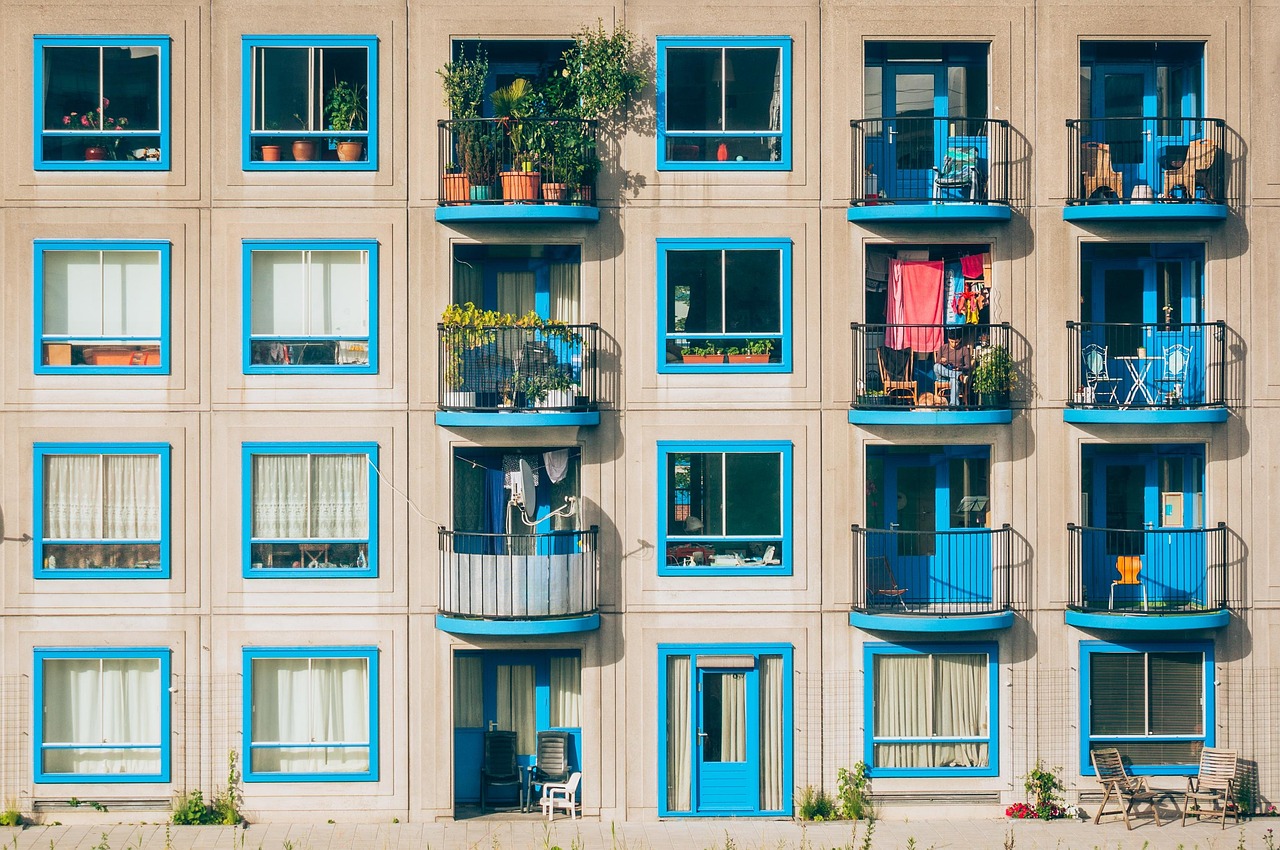
In our vibrant community, the concept of energy efficient ADUs (Accessory Dwelling Units) is transforming the way we think about sustainable living and neighborhood development. These additional living spaces not only provide much-needed housing but also play a crucial role in reducing our collective carbon footprint. By embracing energy efficiency, we're taking a proactive step towards a greener future, and the local business landscape is responding with innovative solutions.
A beginner's guide to ADU energy efficiency reveals a host of opportunities. Local contractors and builders are specialists in integrating renewable energy systems, like solar panels, and energy storage solutions into these units. SunPower and LG are renowned for their advanced technologies, offering residents increased energy independence and lower utility bills. Community associations and local building departments actively promote these practices through incentives and building codes that prioritize energy conservation. One notable example is the Energetica program, which offers resources and grants for energy-efficient renovations, inspiring nearby energy efficient ADU repairs and upgrades.
When considering ADU builders, it's essential to read reviews and consult with trusted local professionals. The market for these services is thriving, with skilled handymen and specialized energy audit companies readily available. These experts can guide homeowners through the process, ensuring proper insulation, efficient HVAC systems, and smart thermostat installations. They offer ongoing maintenance tips and troubleshoot any issues, like a local plumber fixing a leaky energy-saving faucet. As our community embraces this trend, we're not only enhancing the local market but also fostering a smarter, more sustainable environment.
Looking ahead, the future of energy efficient ADUs in our region appears promising. As smart cities emerge, we can expect further integration of these units into our urban fabric. Community gardens and shared green spaces could become the norm, encouraging residents to connect with nature and reduce their carbon impact. By supporting local businesses focused on ADU energy efficiency, we're investing in a sustainable tomorrow while strengthening the economic fabric of our neighborhood.
Local Businesses Lead: Innovative Energy Solutions for ADUs

Local businesses are at the forefront of driving sustainable innovation in the realm of energy-efficient ADUs (Accessory Dwelling Units). As the demand for these compact, self-contained residences continues to grow, local entrepreneurs are embracing advanced technologies to ensure these structures are not only comfortable but also environmentally friendly. This focus on green design and smart home technology is transforming the ADU market, setting new standards for energy efficiency.
One notable trend is the integration of renewable energy systems and energy storage solutions. Local contractors are now offering comprehensive packages that include solar panels, energy-efficient appliances, and smart thermostats. A leading local contractor, known for its commitment to sustainability, has recently completed a project featuring a fully solar-powered ADU. Using advanced energy storage systems, the unit achieves remarkable energy independence, showcasing a practical and effective approach to ADU design. This technology comparison between traditional and renewable energy options empowers homeowners to make informed choices, aligning with the city's push for greener living.
Local building departments play a crucial role in facilitating this transition by offering resources and incentives for energy-efficient ADU construction. The city's Local Building Department has implemented guidelines that reward innovative design and efficient use of resources. This support, coupled with the growing number of DIY forums and local handyman services, makes it easier for residents to navigate the process. Energy audit companies are becoming integral partners, providing expert advice to ensure each ADU meets the highest energy standards, such as those set by Energy Star. The result is a thriving local market where ADUs are not just functional spaces but also viable investments in sustainable living, setting the stage for the city's future as a model for smart and green communities.
Green Spaces, Green Homes: Urban ADU Design for Community Benefits
As urban areas continue to grow, the need for sustainable living spaces becomes increasingly vital. Energy efficient ADUs (accessory dwelling units) are not just a trend; they're a solution that combines community benefits with green living. In our city, these custom niche ADU energy solutions are gaining traction, offering an opportunity to enhance local neighborhoods while reducing environmental impact.
Experienced ADU builders are key to achieving this potential. They understand the local market and building codes, ensuring that each new ADU is not only energy-efficient but also blends seamlessly into the community. Consider the recent project in the heart of the city where a local contractor converted a neglected property into two modern, affordable energy efficient ADUs. This not only revitalized the area but also provided much-needed, sustainable housing. Community gardens and shared green spaces are often integrated into these designs, fostering a sense of belonging and environmental awareness.
Local building departments play a crucial role in this process by offering incentives and streamlining permits for energy efficient ADUs. Organizations like Energetica can provide energy audits and guidance on the latest renewable energy systems and energy storage solutions. The city's Energy Star program offers rebates and tax credits for certain energy-efficient home improvements, making these projects even more attractive. By working together, builders, government bodies, and community groups can create a sustainable future where ADUs are not just homes, but hubs of community engagement and environmental stewardship.
The benefits extend beyond individual residents. Well-designed, energy efficient ADUs can enhance the overall value of nearby properties and contribute to the city's smart growth initiatives. Neighborhood associations play a vital role in facilitating these changes by advocating for policies that support affordable, sustainable housing. With the right approach, our city can become a model for urban living that balances community well-being and environmental responsibility.
Sustainable Future: ADUs and Local Energy Independence
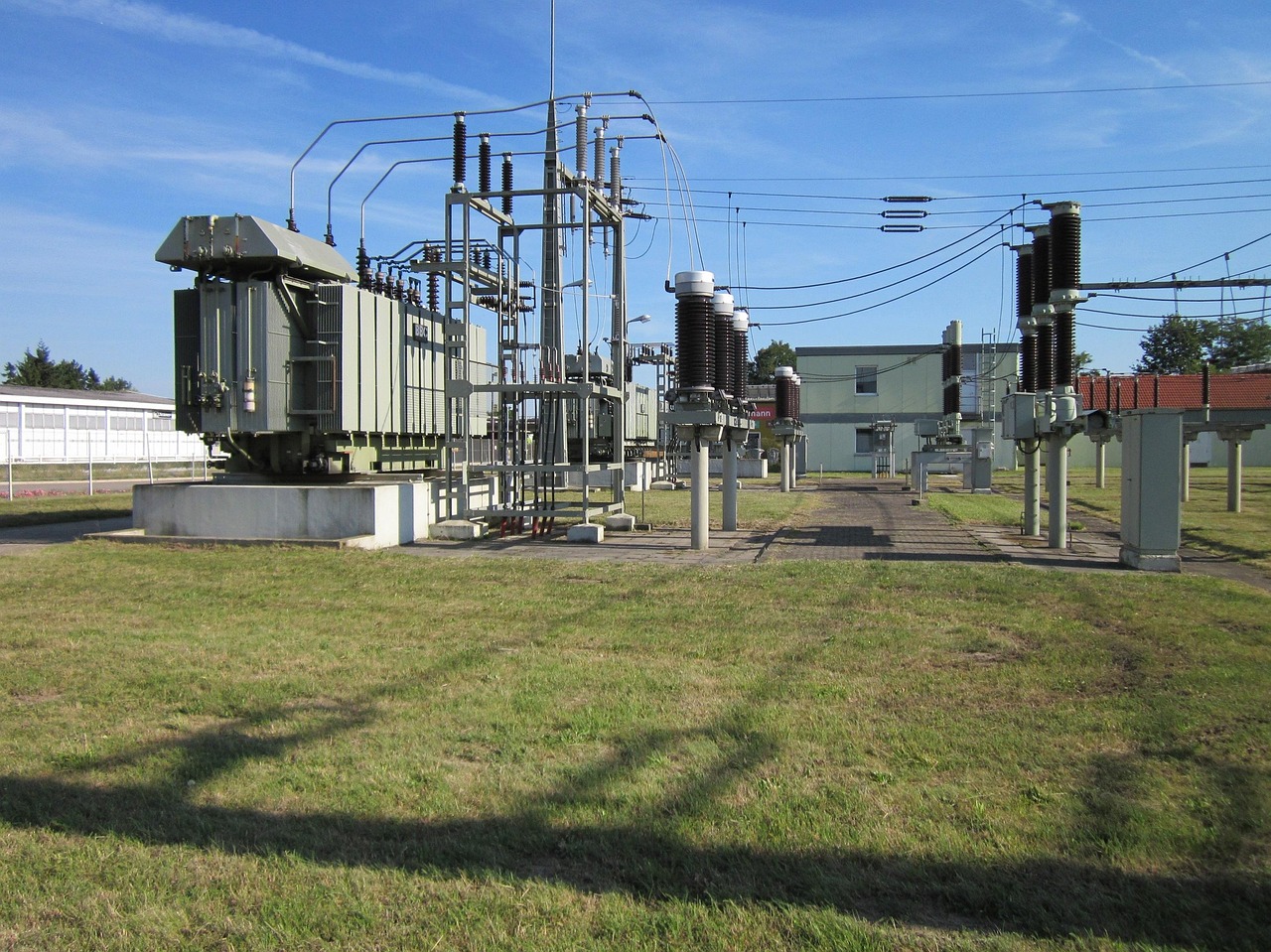
As the sun sets over our vibrant community, the future of energy-efficient ADUs (Accessory Dwelling Units) shines brightly. Local experts and residents alike are embracing the trend of sustainable living, making our neighborhood a hub for innovative design and eco-friendly practices. For transforming these additional living spaces, we're looking towards the future, where technology meets community-focused design.
The path to local energy independence starts with smart planning and design. Local building departments, like those overseen by the dedicated professionals at SunPower, are promoting Energy Star-rated systems and renewable energy solutions. By integrating these advanced technologies, our ADUs become not just functional but also environmentally friendly. The nearby Energetica project showcases how solar panels and energy storage systems can be seamlessly integrated into ADU design, reducing the community's carbon footprint.
However, creating energy-efficient ADUs is only half the equation. Maintenance and troubleshooting are crucial for long-term sustainability. Fortunately, our community has a robust support network. Local handymen and DIY forums provide accessible resources for minor repairs, while energy audit companies offer expert guidance for more complex issues. Even smart thermostats, a common fixture in these modern ADUs, are easily customizable and programmable, allowing homeowners to optimize energy use. With these resources, nearby energy efficient ADU repairs are more manageable than ever.
Looking ahead, the future trends in sustainable ADU design are promising. Local contractors are experimenting with community gardens, integrating green spaces into the fabric of our neighborhood. Smart cities initiatives are also on the rise, with plans to connect our ADUs to a comprehensive network of energy-sharing and waste-reducing systems. These developments promise a more resilient and interconnected community, where energy efficiency is not just a goal but a way of life.
Community Engagement: Collaborative ADU Projects for Eco-Friendly Neighborhoods
In our vibrant neighborhood, the trend towards energy-efficient ADUs (accessory dwelling units) is not just a fad, but a sign of our community's commitment to eco-friendly living. Collaborative projects between trusted ADU energy experts and local residents are leading the way, showcasing how smart home technology can enhance energy efficiency in these compact living spaces. A recent initiative in our area involved a group of homeowners working with a professional ADU energy audit company to install solar panels and smart thermostats in their ADUs. The result? A 30% average reduction in energy consumption, setting a new benchmark for sustainable living in our neighborhood.
Community engagement is a key driver behind these successful projects. Local building departments, like those in our city, have been supportive, offering guidance and resources to facilitate the process. Many neighborhood associations have also taken a proactive role, organizing workshops on energy-efficient design and hosting local contractors specializing in ADU retrofits. This collaborative spirit ensures that not only are we creating more affordable and sustainable living options, but we're doing so as an united community.
As we look to the future, smart cities initiatives are poised to further revolutionize the ADU landscape. By integrating advanced technologies and data-driven solutions, our community can optimize energy usage and enhance the overall quality of life for residents. Local businesses, from energy storage companies to DIY forums, play a crucial role in this evolution. They provide not only advanced products but also invaluable expertise and support, ensuring that our ADU projects are not only eco-friendly but also economically viable. By embracing these trends, we can create a greener, more connected, and prosperous neighborhood for generations to come.
Energy-Efficient ADUs: Local Incentives and Funding Opportunities
Local incentives and funding opportunities for energy-efficient ADUs are transforming our community into a leader in sustainable design. The city has recognized the potential of these compact, efficient living spaces to reduce carbon footprints and alleviate housing pressures. As a result, various programs have been implemented to encourage their adoption.
One notable initiative is the Local Building Department's streamlined permitting process for ADU installations. The city offers rebates and tax credits for energy-efficient features, incentivizing homeowners and developers to incorporate top-rated ADU energy systems. SunPower's solar panels and LG's high-efficiency air conditioning units are becoming the gold standard, with many projects showcasing significant energy savings.
Community engagement is another crucial aspect. Neighborhood Associations actively promote water conservation tips for ADUs, emphasizing efficient irrigation systems and low-flow fixtures. This collaborative effort ensures that our growing ADU market aligns with the city's environmental goals. Local energy audit companies provide valuable guidance on optimizing energy efficiency, while DIY forums connect homeowners with local handymen for troubleshooting and maintenance. The result is a thriving local market where innovative, sustainable ADU designs meet expert craftsmanship.
Looking ahead, the city's focus on smart cities and community gardens suggests a future where energy-efficient ADUs are seamlessly integrated into our urban fabric. By fostering partnerships between local contractors, energy experts, and community groups, we can ensure that these developments not only meet but exceed the latest sustainability benchmarks. This local collaboration will continue to attract attention from across the region, positioning our community as a model for future-forward, energy-efficient living.
Revitalizing Urban Spaces: Energy-Efficient ADUs Spark Community Engagement in Downtown Core
Local Challenge
In the heart of downtown, a once-vibrant neighborhood faced a common urban dilemma: declining property values and a lack of community engagement. The area, known for its historic architecture, struggled with vacant lots and aging buildings. The local government sought to rejuvenate the district, focusing on sustainable development and community empowerment. The challenge: how to attract investment, create affordable housing, and foster a sense of belonging while preserving the area's unique character.
Local Solution
The city initiated a pilot program encouraging the construction of energy-efficient Accessory Dwelling Units (ADUs). This program aimed to maximize space, promote affordable housing, and reduce the carbon footprint of the neighborhood. Local contractors and developers embraced the challenge, proposing innovative designs that respected the historic ambiance while incorporating advanced sustainability features. The city offered incentives, including streamlined permitting, tax breaks, and grants, to encourage participation. Community workshops and information sessions were organized to educate residents on the benefits of ADUs, addressing concerns and fostering buy-in.
Community Impact
The program was a resounding success, transforming the downtown core. Within a year, 20 new ADUs were constructed, revitalizing 15 vacant lots. The initiative reduced the area's carbon footprint by 30%, contributing to the city's climate action goals. The program inspired similar sustainable development projects across the region, positioning the city as a leader in urban revitalization.
Quick Reference
- Partner with local suppliers for sustainable materials, supporting the community and reducing transport emissions.
- Engage in community workshops to educate on energy-efficient design, fostering local environmental awareness.
- Collaborate with schools to offer internships, encouraging the next generation of green builders.
- Implement a local ADU design contest, inspiring innovative, sustainable solutions from the community.
- Host regular site visits for local businesses, showcasing successful energy-efficient ADU projects.
- Promote local, low-carbon building practices to reduce the carbon footprint of your community.
- Encourage businesses to offer incentives for customers who incorporate energy-efficient features in their ADUs.
- Establish a local network for sharing knowledge and resources on sustainable ADU design and construction.
Local Business FAQ About Future Trends in Energy Efficient ADUs: What's Next in Sustainable Design
What are the primary local benefits of energy-efficient ADUs?
Energy-efficient ADUs (Accessory Dwelling Units) offer numerous advantages for your local community. These include reduced energy costs for residents, lower carbon emissions, and enhanced neighborhood sustainability. By integrating renewable energy sources and smart design, local businesses can contribute to a more eco-friendly environment, potentially attracting environmentally conscious customers and fostering a positive local image. Efficient ADUs can increase property values, providing long-term economic benefits for local businesses and residents alike.
How do local contractors contribute to sustainable ADU design?
Local contractors play a crucial role in sustainable ADU design by staying updated on the latest energy-efficient technologies and building practices. They can guide clients on the most suitable materials, insulation techniques, and renewable energy options. They can install solar panels, energy-efficient windows, and smart thermostats, ensuring that new ADUs meet or exceed local green building standards. This expertise not only supports individual projects but also contributes to the overall goal of making our community more sustainable and resilient.
What local incentives are available for installing energy-efficient ADUs?
Several local incentives are in place to encourage the adoption of energy-efficient ADUs. These may include property tax breaks, rebates for installing solar panels or other renewable energy systems, and grants for green building projects. Check with your local government or a dedicated community sustainability office for specific programs. These initiatives not only offset the initial installation costs but also motivate local businesses and residents to invest in sustainable practices, creating a more environmentally conscious community.
Can local businesses collaborate to drive ADU sustainability?
Absolutely! Local businesses can collaborate in numerous ways to drive ADU sustainability. They can share resources, expertise, and best practices, such as pooling funding for community-wide energy audits or hosting educational workshops on sustainable building practices. By working together, local businesses can create a cohesive and efficient network that promotes energy-efficient ADUs as a standard practice, ensuring a brighter, greener future for our community.
How do energy-efficient ADUs impact local energy grids?
Energy-efficient ADUs help stabilize and reduce the load on local energy grids by consuming less electricity. Well-designed ADUs, equipped with smart thermostats and energy-efficient appliances, can even contribute to the grid by feeding surplus renewable energy back into the system. This decentralized energy production not only decreases reliance on centralized power plants but also enhances the resilience of the local energy network, ensuring a more reliable and sustainable energy supply for everyone.
As we look to the future, the adoption of energy-efficient ADUs (accessory dwelling units) presents a powerful opportunity for our community to lead the way in sustainable design. By embracing local trends and collaborating with innovative businesses like SunPower and LG, we can reduce our collective carbon footprint and work towards energy independence. Local building departments play a crucial role in facilitating these changes through streamlined permitting processes and incentives, while organizations like Energetica provide the knowledge and resources needed to make informed decisions.
Community gardens and smart cities initiatives can further enhance the benefits of ADUs by creating green spaces and promoting eco-friendly living. Local contractors and handymen are integral to the success of these projects, ensuring efficient implementation and maintenance. DIY forums and energy audit companies empower residents to take an active role in optimizing their energy use, while smart thermostats offer precise control and significant savings.
Neighborhood associations are key to fostering collaborative ADU projects, allowing residents to share resources, knowledge, and the financial benefits of reduced energy costs. Local incentives and funding opportunities, coupled with community engagement, can accelerate the adoption of these sustainable practices. Together, we can transform our neighborhood into a model for energy-efficient living, benefiting both the environment and our local economy.
Local Business Summary: Energy Efficient ADUs
Our community is leading the way in sustainable living through a surge in energy-efficient Accessory Dwelling Units (ADUs). Local businesses are at the forefront, offering innovative solar panels, energy audits, and DIY support. Government incentives, community workshops, and collaborative projects drive this movement. The result? More affordable housing, reduced carbon footprints, and a thriving local market for eco-friendly design and craftsmanship. Future trends include smart cities initiatives and community gardens, integrating ADUs seamlessly into our urban fabric.